Sports & Hospitality

NPFL’s ₦2.14bn Broadcast Deal Proves the Commercial Case. Time to Fix the Turnstiles.

Nigerian stadiums remain largely empty on matchday while viewing centres overflow for European football. The NPFL’s new broadcast and commercialisation deal is the clearest evidence yet that disciplined commercial structuring works in this league — ticketing is the part of that same opportunity still sitting on the table.

Steve Austin NwabuezePartner · Sports & Hospitality14 April 2026 6 min read

Last reviewed 14 April 2026

01 / 06

The commercial case for fans

There is no professional sport without the fans who pay to watch it, and getting tickets into their hands easily and fairly is foundational to building a fanbase and a revenue base alike. European football has built its commercial model around exactly this: Bundesliga revenue reached almost €3.2 billion in 2017/18, and Deloitte’s 2020 report found FC Barcelona became the sport’s first club to draw the largest share of its revenue — 16% of $959.3 million — from matchday ticket sales. The Nigeria Professional Football League has, for most of the past decade, generated the opposite picture: players performing in front of largely empty stands.
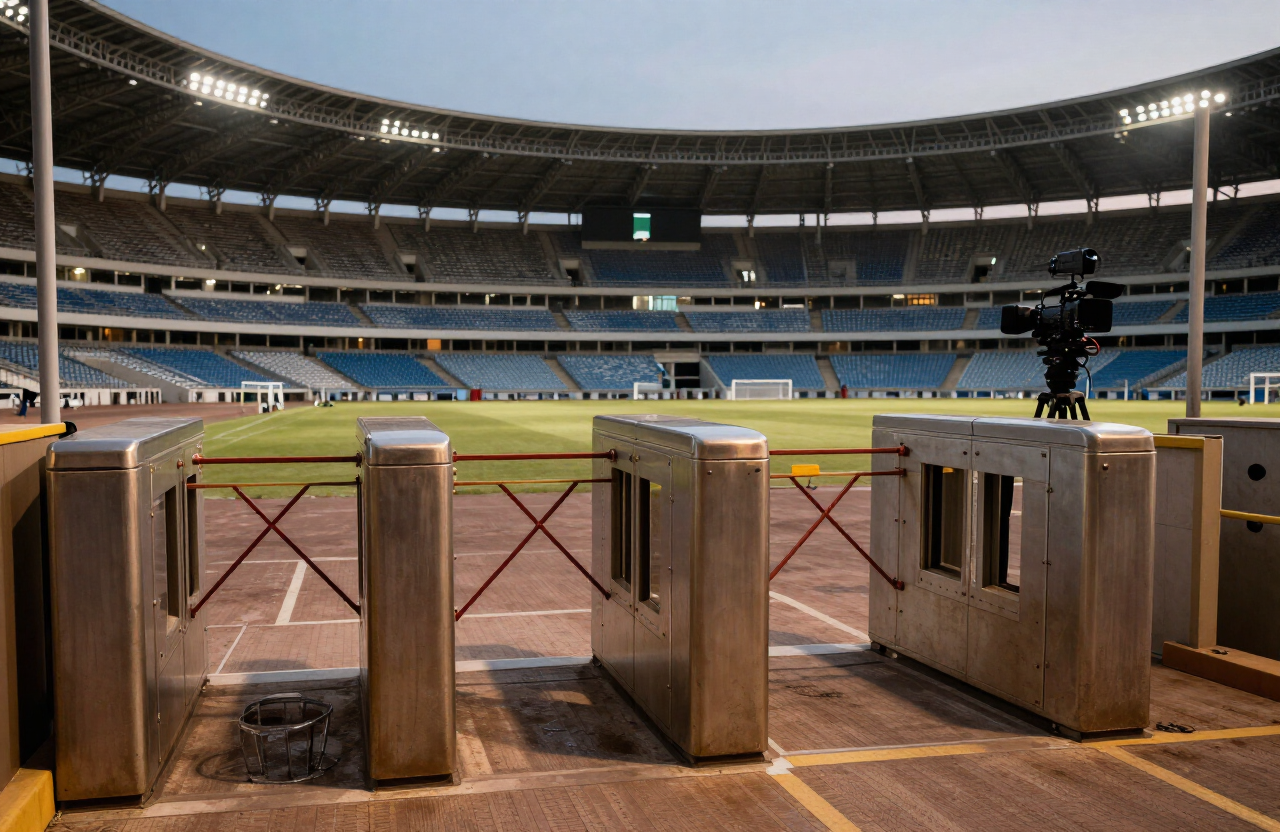
Turnstiles and broadcast revenue — the commercial case for Nigerian club football is made.
Fig.Turnstiles and broadcast revenue — the commercial case for Nigerian club football is made.
02 / 06

The secondary ticketing problem, and how it’s regulated abroad

Reselling football tickets without a club’s express authorisation is unlawful in the UK, distinguishing football from gigs and concerts where resale is generally lawful subject to consumer protection law. Where clubs have entered authorised secondary-market partnerships — Manchester City’s arrangement with Viagogo is the frequently cited example — the practice is legitimate; unauthorised resale through platforms like StubHub or Seatwave is not. The Rugby Football Union v Viagogo [2011] EWCA Civ 1585 shows the practical tool available even against an unauthorised platform: the Court of Appeal granted a Norwich Pharmacal order compelling Viagogo to disclose the identities of everyone who had resold tickets for Twickenham internationals, giving the RFU a route to act against the individual sellers.

03 / 06

What a club owes the ticket holder

At common law a match ticket is a limited licence to enter the ground, subject to whatever terms the club attaches to it — a position now supplemented in many jurisdictions by consumer protection statute. Manchester United’s refund to over 2,000 travelling fans after their 2020 Europa League tie against LASK was played behind closed doors illustrates the principle in practice, though it remained a rare gesture rather than a general market standard. Privity of contract matters here: only a fan who bought directly from the club or an authorised agent can generally claim a refund from the club itself; someone who bought from an unauthorised reseller must look to that reseller, and to whatever refund terms governed that resale.

04 / 06

The Nigerian fan conundrum

Poor stadium security, dilapidated facilities and a well-founded perception of biased home officiating have combined to keep fans away from NPFL venues even as the same fans pack viewing centres for European matches every weekend. Government ownership of NPFL clubs sits underneath much of this: clubs run as instruments of state political patronage rather than commercial enterprises have little incentive to professionalise ticketing, and gates are frequently thrown open free of charge rather than managed as a revenue stream at all. The commercial case for taking ticketing seriously is no longer theoretical — the league has just demonstrated it works, on the broadcast side.

05 / 06

The regulatory picture has moved

The old League Management Company’s Framework Rules once required government divestment from club ownership to be completed by the end of the 2015/2016 season — a deadline that came and went with no meaningful progress, and the LMC itself has since been dissolved. Its successor, the NPFL Board under Gbenga Elegbeleye, has shown more commercial discipline on at least one front: after the earlier StarTimes broadcast deal was terminated over alleged breaches, the league signed a new five-year, ₦2.14 billion broadcast and data-commercialisation agreement with Inview Technologies, AS Production Hub and Round-Up Technologies in November 2025, bringing NPFL matches back to free-to-air television and building the data infrastructure a serious commercial operation requires.

That deal is direct evidence that disciplined commercial structuring can work in this league even without solving the government-ownership problem first. Ticketing remains the more controllable, more immediate revenue lever the broadcast deal has not yet touched — no upfront broadcaster negotiation required, and the return scales directly with stadium experience improvements a club can make on its own.

06 / 06

Key takeaways and conclusion

The NPFL’s ₦2.14 billion, five-year broadcast and data-commercialisation deal (November 2025) replaces the earlier terminated StarTimes arrangement and is the clearest recent evidence that commercial discipline works in this league. Ticket resale without a club’s authorisation is unlawful in the UK; authorised secondary-market partnerships, and tools like the Norwich Pharmacal order used in RFU v Viagogo, give clubs real enforcement options. Government ownership of NPFL clubs remains the structural obstacle to ticketing professionalisation that the old LMC Rules failed to dislodge by their own 2015/2016 deadline. Ticketing is the more immediately controllable revenue stream available to NPFL clubs — it does not require solving club ownership or broadcast rights first.

The NPFL’s recent commercial moves suggest the league has finally started treating itself as a business rather than a political football. Ticketing is the part of that business still left almost entirely unaddressed, and it is also the part most within an individual club’s own control to fix — better stadium conditions, professional ticketing administration, and a genuine security guarantee for fans would do more for matchday revenue than any broadcast deal alone.

This article is provided for general information only and does not constitute legal advice. It is not a substitute for specific advice on any particular matter.Kempes & Kaplan LP accepts no responsibility for any loss arising from reliance on this material.

Engage counsel

Discuss how this applies to your matter.

Book a call with us