Introduction
The Covid-19 pandemic brought a lot of innovation in its wake, not only in the pharmaceutical industry but in sports as well. By the end of February 2020, a number of countries had imposed lockdowns in some cities. By Friday, 13 March 2020, the Italian Serie A, the German Bundesliga, the French Ligue 1 and the Dutch Eredivisie had all suspended their respective leagues. The Premier League was eventually forced to do the inevitable by the end of March 2020, after postponing a number of games and ultimately suspending play until 3 April 2020. With Covid-19 hot on the heels of sports and sports events, the next challenge was how to ensure the playing staff of teams in the major football leagues, and even the NBA, maintained an acceptable level of fitness while complying with league safety protocols — one of the biggest challenges being how to ensure physical distance between teammates in training, in what is a high-intensity, contact sport.
Newcastle United is one of more than 50 sports teams across the world using “Proximity Report,” from sports technology company Catapult Sports. The feature generates reports detailing how long a player has spent in close proximity with teammates. Should a player test positive for Covid-19, the club will know which players he has been in contact with, for how long, and even during which specific training drill or exercise. “Teams can upload their planned training schedules and immediately understand the volume of contact players will undertake during that training session,” Will Lopes, CEO of Australia-based Catapult, has said. This development has, unsurprisingly, generated a raft of data for not only the teams but for statisticians and sports scientists. Back in the 2015/2016 football season, when Leicester City Football Club won the league for the first time in 100 years, football teams in the league were allowed to use wearable devices during matches for the first time.
Unbeknownst to most viewers, fans and even rival teams, certain players wore tracking devices that recorded every metre they ran, every turn they made and how fast they accelerated. This data was processed and stored so it could be compared with previous matches and training sessions. Coaches have been able to track their players’ physical conditions and performances and, ultimately, make important tactical decisions during training and matches.
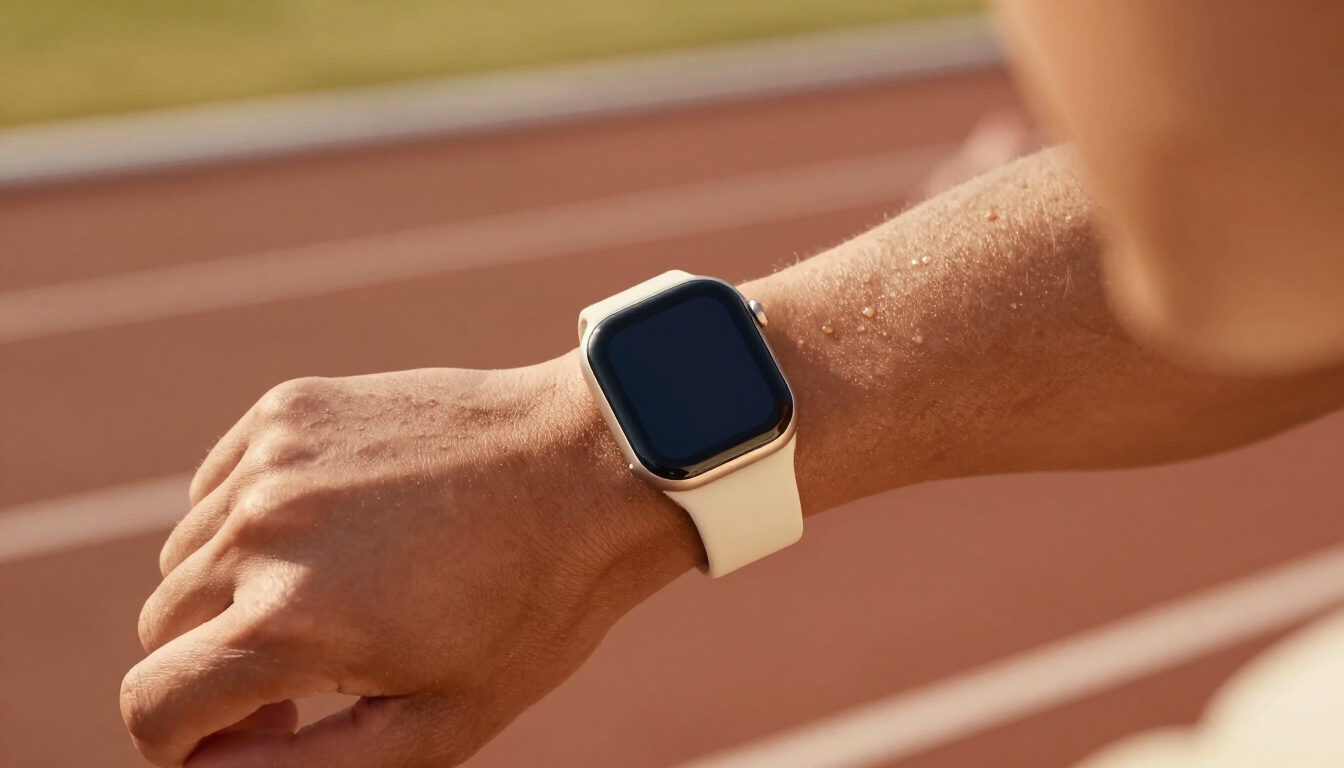
Wearable technology is infiltrating the sports world in astronomical proportions and will continue to do so for the foreseeable future. The major question for sports administrators, league bodies, businesspeople, legal scholars, lawmakers, fans and other sport stakeholders is: is wearable technology the “new normal” in sports? Are there legal considerations underpinning this practice? Put differently, are there legal implications of this practice that sports teams and league bodies need to be aware of in adopting this new phenomenon? What is the implication for athletes’ individual rights and the demands of fair competition? This article analyses these issues, addressing (1) the history and development of wearable technology and (2) the legal implications of wearable technology in professional sports.